☀️ El Niño Grows Up
The Pacific is warming toward a record, Argentina just opened the door to parametric, and we're there for the 2026/27 season.
"Chance favors the prepared mind."
— Louis Pasteur
🌊 El Niño in South America
Argentina's agricultural year is decided between October and January. Maize and soybeans go into the ground, the last of the wheat comes off, and how much rain falls in those weeks sets the outcome for everything that follows. And El Niño is here: NOAA raised its alert in June, and the Pacific has kept warming since. The Niño 3.4 index ran 2.1°C above normal in mid-July, right at the line that separates a strong event from a very strong one.
The models agree to an unusual degree. Twenty-six of them, run every month by centres around the world, keep El Niño in place through the end of the year and into 2027, with the peak expected between October and December, in the strongest category on the scale. Using 45 years of satellite rainfall and temperature data, we mapped what past El Niño years have meant for Argentina, district by district: over October to December, Corrientes, Misiones, eastern Entre Ríos, Uruguay, and southern Brazil received more than 100 mm of extra rain, arriving exactly when the fields are least able to take it.
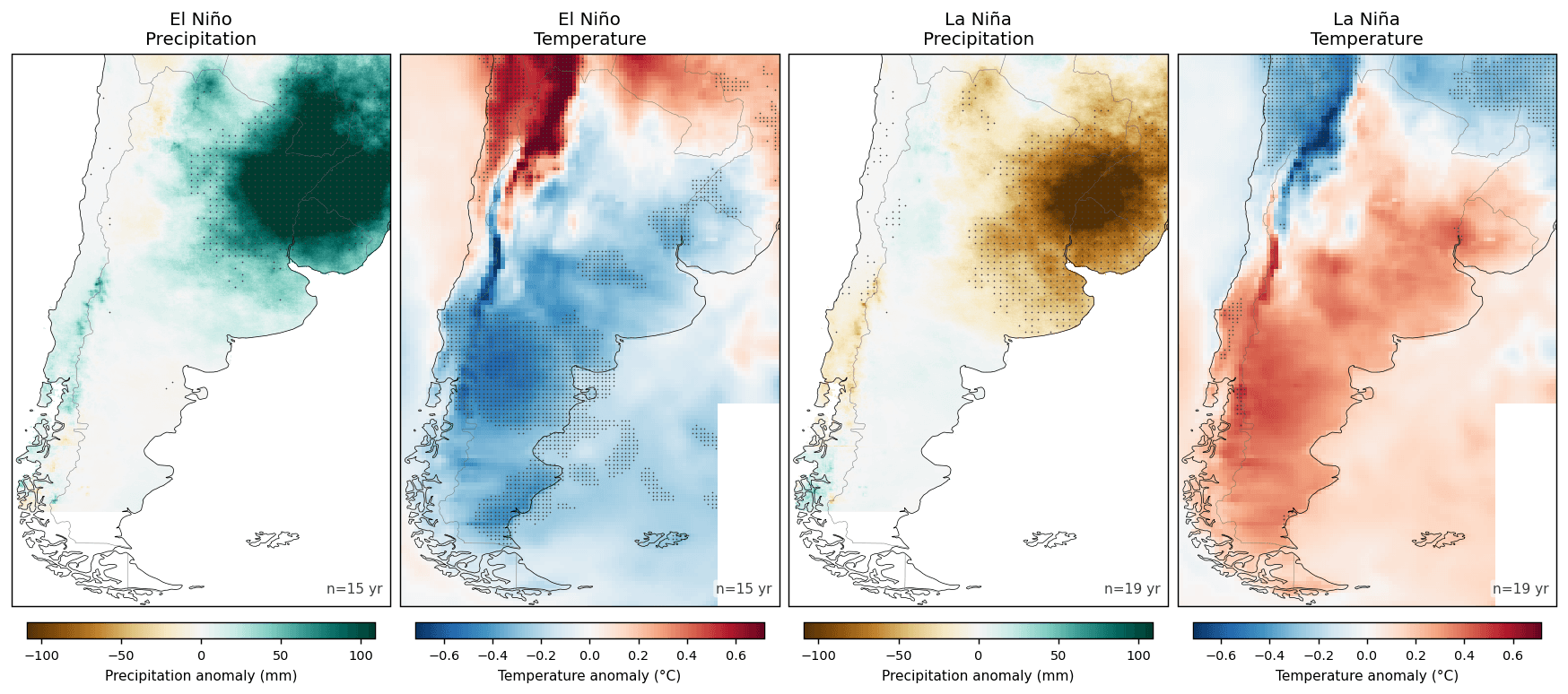
Impact of El Niño in precipitation (left) and temperature (right) in the Southern Cone. Average of 45 years and 15 El Niño events.
A seasonal forecast tells you which way the year is likely to lean. A map like this one tells you where, when, and how much. When the signal is this readable six months ahead, waiting is the expensive option. 🌧️
👉 Read the full article by our Principal Climate Scientist Daniela Risaro on our website.
🌾 Suyana in Argentina
From August 4 to 6, Suyana was at the 34th edition of the AAPRESID Congress in Rosario, Argentina, one of South America's most influential gatherings for sustainable agriculture. Under this year's motto, "Our Soil, Our Voice", we took part in more than 160 talks and panels alongside farmers, researchers, and agtech innovators to talk about parametric coverage and how it protects producers against the climate risks that hit farms hardest.
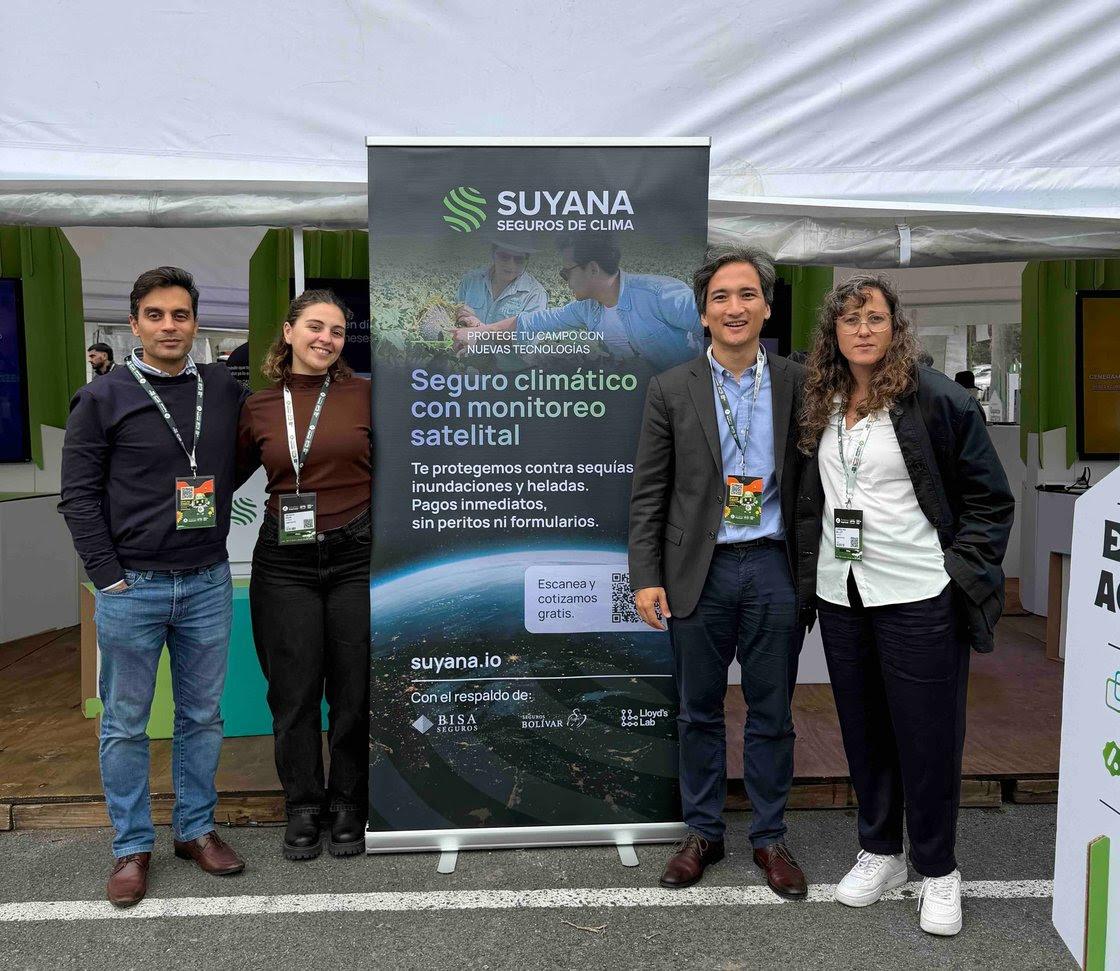
Suyana in Rosario, Argentina at the AAPRESID Congress.
The timing could not be better. Argentina is actively deregulating parametric insurance, opening the door for satellite-based products that until now had no regulatory path in the country. The market opportunity is more than clear: Argentina plants 42 million hectares of grain each year, yet less than 1% is insured against drought. Parametric coverage, with automatic payouts, no adjusters, and no paperwork, is exactly what this market needs to close that gap.
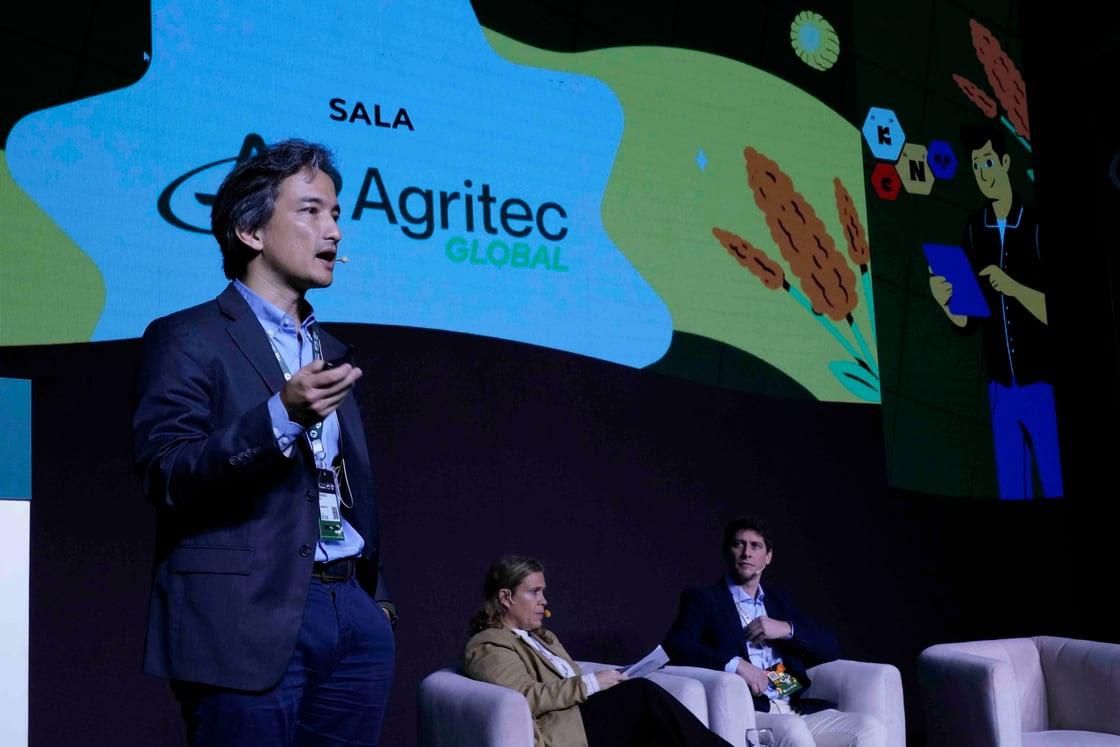
Our Co-founder Fernando Yu presenting on climate risk and parametric covers in Rosario, Argentina.
We connected with key players across the ecosystem to explore how parametric fits into their offering for the 2026/27 season. Suyana is building the data infrastructure and index design to make it happen. If you're in Argentine agriculture or insurance and want to talk, reach out. 🌱
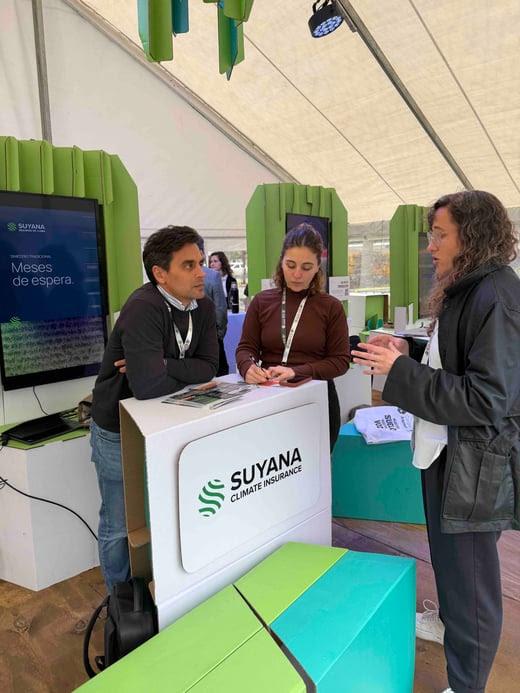
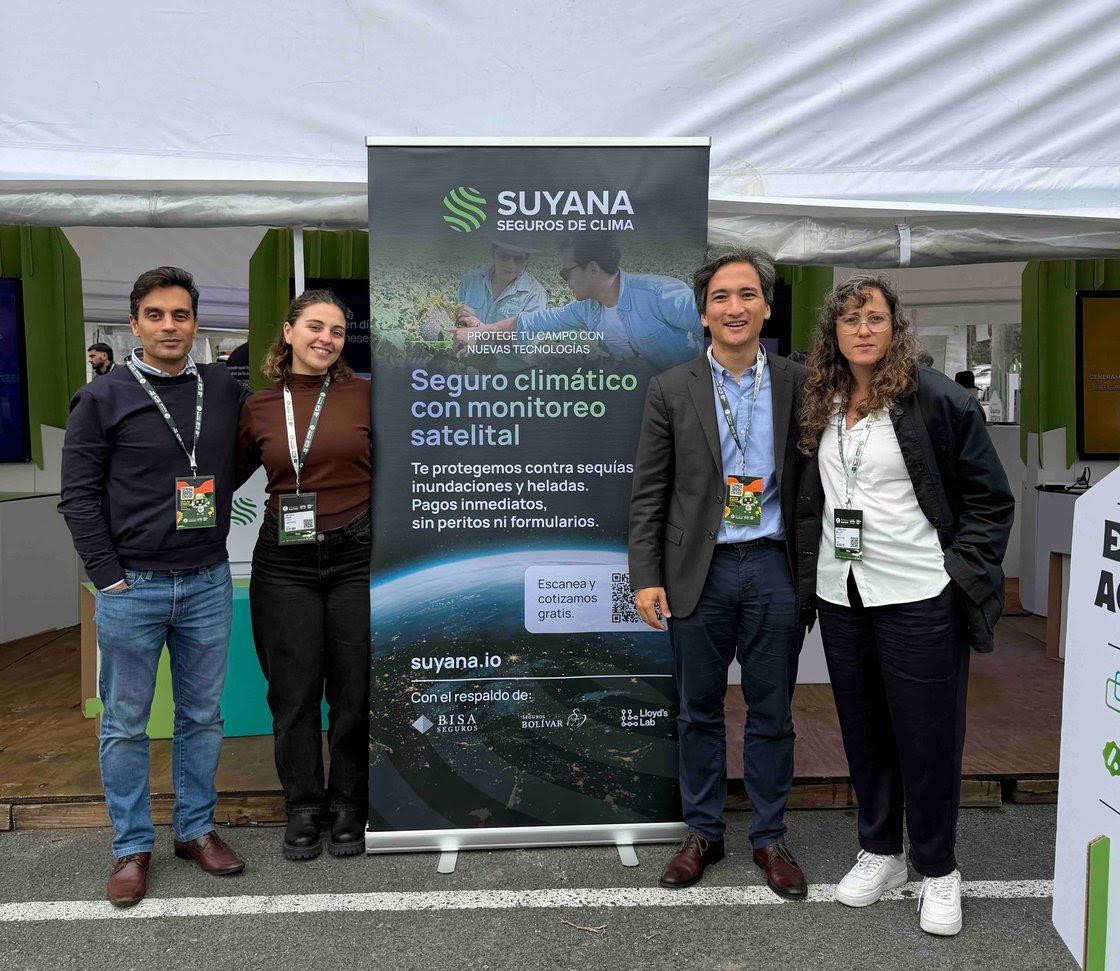
Suyana's stand at the AAPRESID Congress.
👋 Meet the team: Noah Lindsay
Noah Lindsay joined us during the summer as a Data Science and Product Development Intern. He is an undergraduate student at Brown University concentrating in Applied Mathematics and was matched to Suyana through the Student Transformative Engagement Pathways (STEP) program, part of the Institute at Brown for Environment & Society (IBES). He has previous experience as a Research Assistant in the university's Computer Science department and as an Operations-Automation intern at BTG Pactual.

Noah Lindsay, Data Science Intern at Suyana.
This summer, Noah has been working on two fronts: the Suyana Explorer and the company's newest insurance product against floods. The former is a tool that allows prospective clients to see exactly what a policy would cover and, using historical weather data, simulate how it would have paid out in past events. The latter is an upcoming product that uses satellite imagery to detect floods and trigger insurance payouts against them.
Flood is a problem worldwide, affecting both urban centers and agricultural land. It is also hard to detect from space, since the clouds that cause flooding often block the view. For that reason, Suyana combines rainfall data with radar satellite data, which can collect data through clouds, to train optical satellite imagery to detect floods. Noah's role has focused on collecting and cleaning data, testing the model's performance, and identifying where it performs well and where it still needs work before the product can launch.
🚀 Ready to go in Bolivia
We presented our satellite-monitored parametric insurance against drought and excess moisture in Santa Cruz, Bolivia, during VCILAT on July 30 and 31. Built with our fronting partner BISA Seguros y Reaseguros, we can offer automatic payouts when the index triggers, with no adjusters and no paperwork. The pieces are now in place: regulatory approval, reinsurance capacity and BISA fronting the product in market.
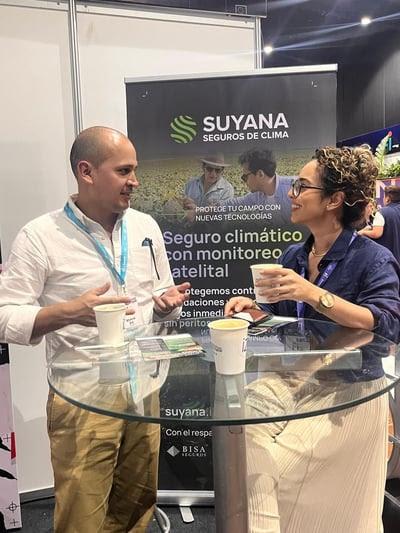
Our lead Data Scientist getting set up at VCILAT 2026.
What comes next is the part that matters most: the first policies, which we expect to write this quarter, ahead of the October summer planting. VCILAT was where we opened those conversations, with banks, insurers, input providers, brokers, and producers across the ecosystem. Thanks to Santa Cruz Innova and CAINCO for creating the space where the entrepreneurial ecosystem meets smart capital. 🙌
Contact us if you have questions or feedback.